If you love the way Hobonichi Weeks keeps planning simple and portable, but wish you could sneak in personal mood tracking without losing precious writing space, you’re absolutely in the right place. At Dark Moon Paper, we’re obsessed with balancing creative self-care and practical layouts—especially for planner fans who want every inch of their spread to matter. Here’s a look at how you can track your mood with minimal, beautifully functional ideas that blend right into the Weeks’ design—and never take over the space you count on for appointments, journaling, or lists.
There’s a certain magic to Hobonichi Weeks: compact dimensions, slim grids, and just enough room to make each spread uniquely yours. But if you’re using your planner for work, errands, and daily notes, it’s easy for mood trackers to crowd out your most-used sections. Minimal designs are the answer—they give you daily insight into how you’re feeling without crowding the central parts of your layout. For many of our customers, mood tracking becomes a mindful end-of-day habit, helping them connect dots between seasons, schedules, energy, and self-care, without ever feeling like just another chore.
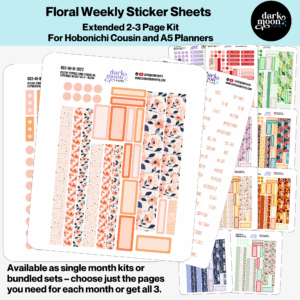
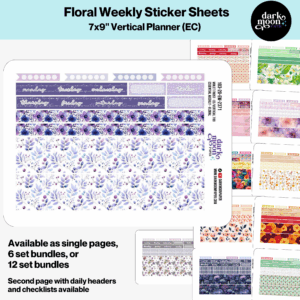
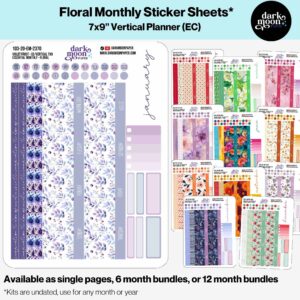
Let’s get specific: here’s how we (and real planner fans in our community) fit perfectly petite mood trackers into their Hobonichi Weeks, week after week. These ideas use just corners, edges, or dashboard spaces, so even if your planner is packed, you won’t need to sacrifice your main layout. We give examples below, with links and images from our favorite Weeks-ready sticker kits, so you can see exactly what we mean.
One of the stealthiest options is using the far-right or far-left edge of the spread. Draw a faint vertical line the full height of the week. Then, assign each day a space (dot, square, or mini sticker) along that line—a perfect way to record moods in seconds using color-coded pens or transparent dots.
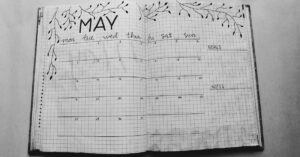
Set up a 7×5 grid (7 columns, 5 rows) right in an unused corner—bottom left or right usually works best. Each row stands for a mood, each column for a day of the week. Mark your mood daily by shading, dotting, or adding a mini sticker.
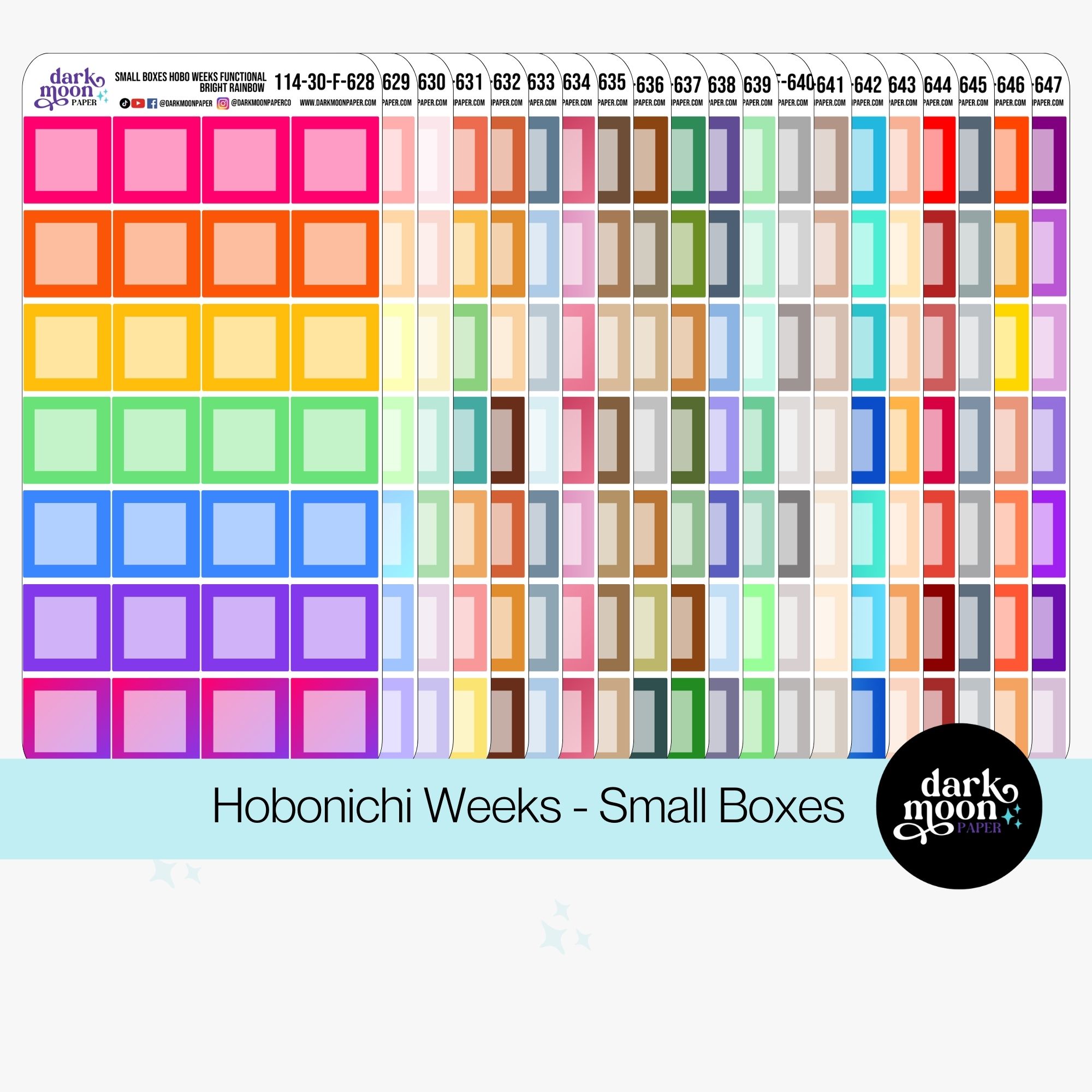
The index pages in Weeks are often underused. Try coloring the tiny calendar boxes (one per day) with a mood color—no text required. This takes seconds, and gives you a year-at-a-glance view of how your energy, stress, or joy ebbs and flows.
If you like circular trackers, try a mandala wheel: a one-inch diameter circle divided into seven slices (or reflect the month with 28/29/30/31). Each night, fill in a segment with mood color or doodle an icon. These trackers are artsy without stealing much linear space, and can easily fit on a dashboard or on a notes page before the new month.
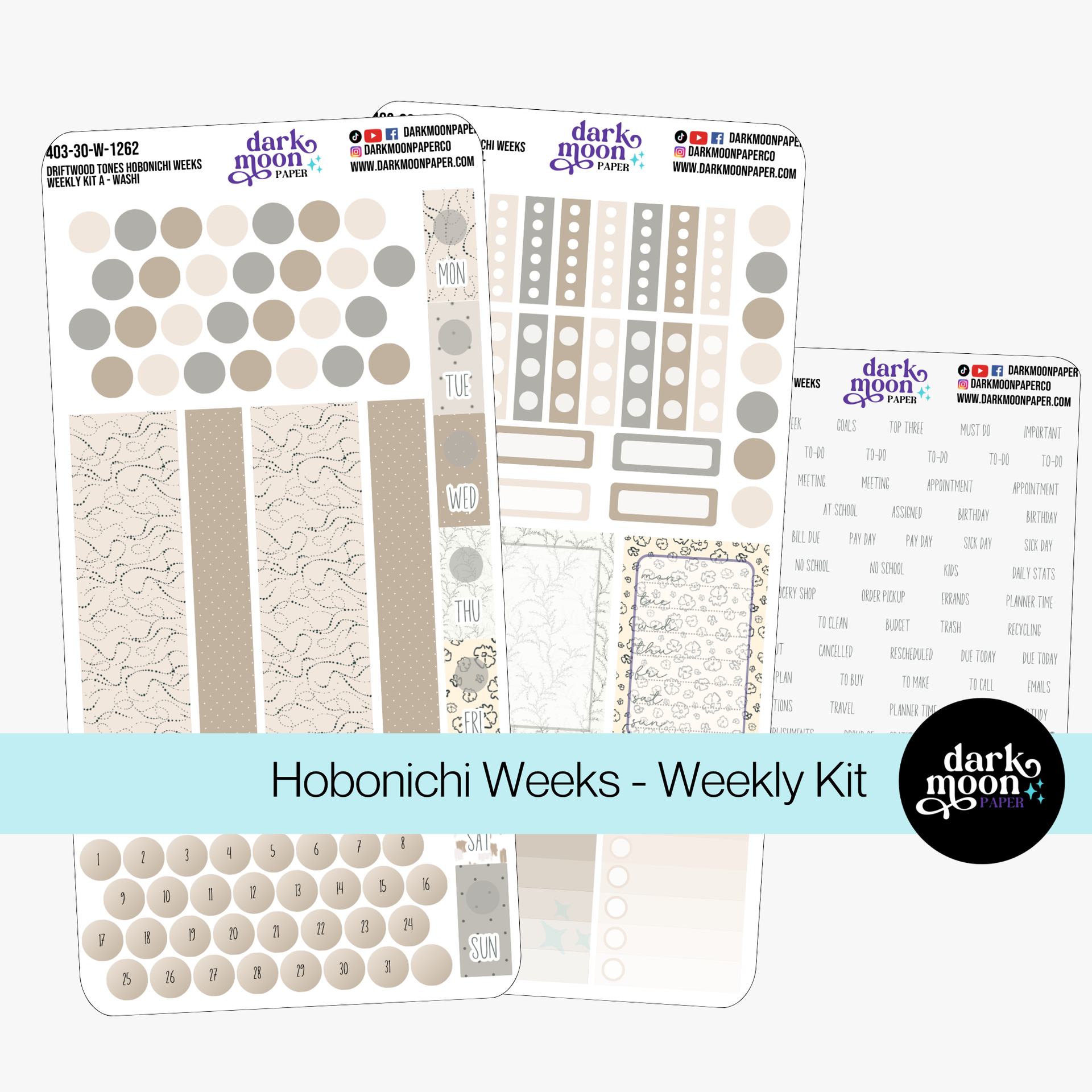
Want a tracker that takes almost no time? Place a row of 7 small icons (circle, heart, star, or flower) across the very top or bottom of the spread. Each night, color in, sticker, or highlight one according to mood. No writing needed—just visual cues. Driftwood Tones kit icons are perfect for this.
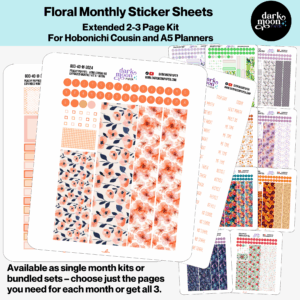
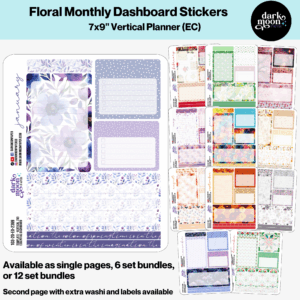
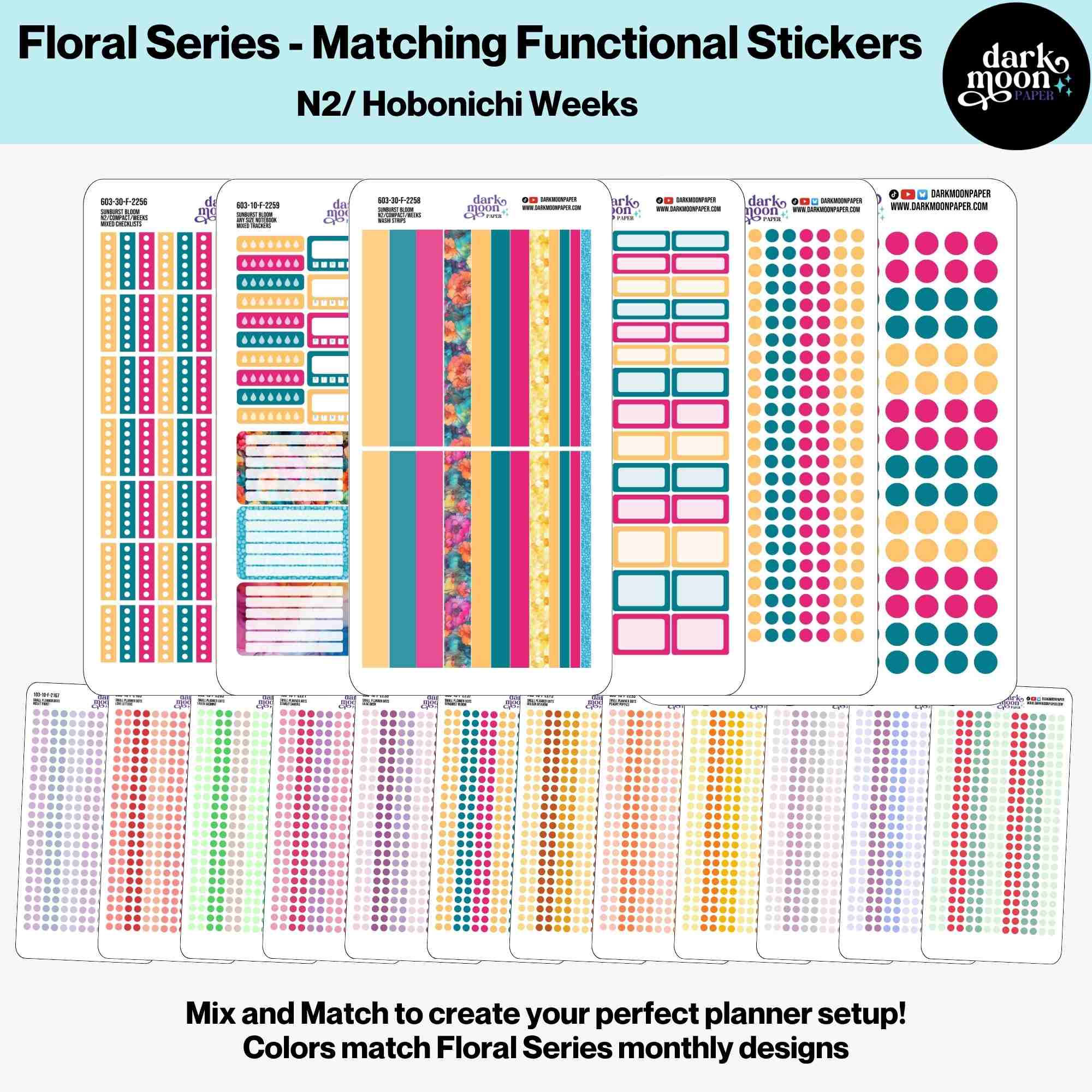
If your planner is also your habit tracker, blend the two: draw a single slim horizontal bar with space for 3 habits (mini icons or checks) and a color block for mood. It turns mood tracking into part of your regular routine, not a separate add-on. If you love sticker layering, combine functional and decorative elements from our Floral Monthly Cover stickers.
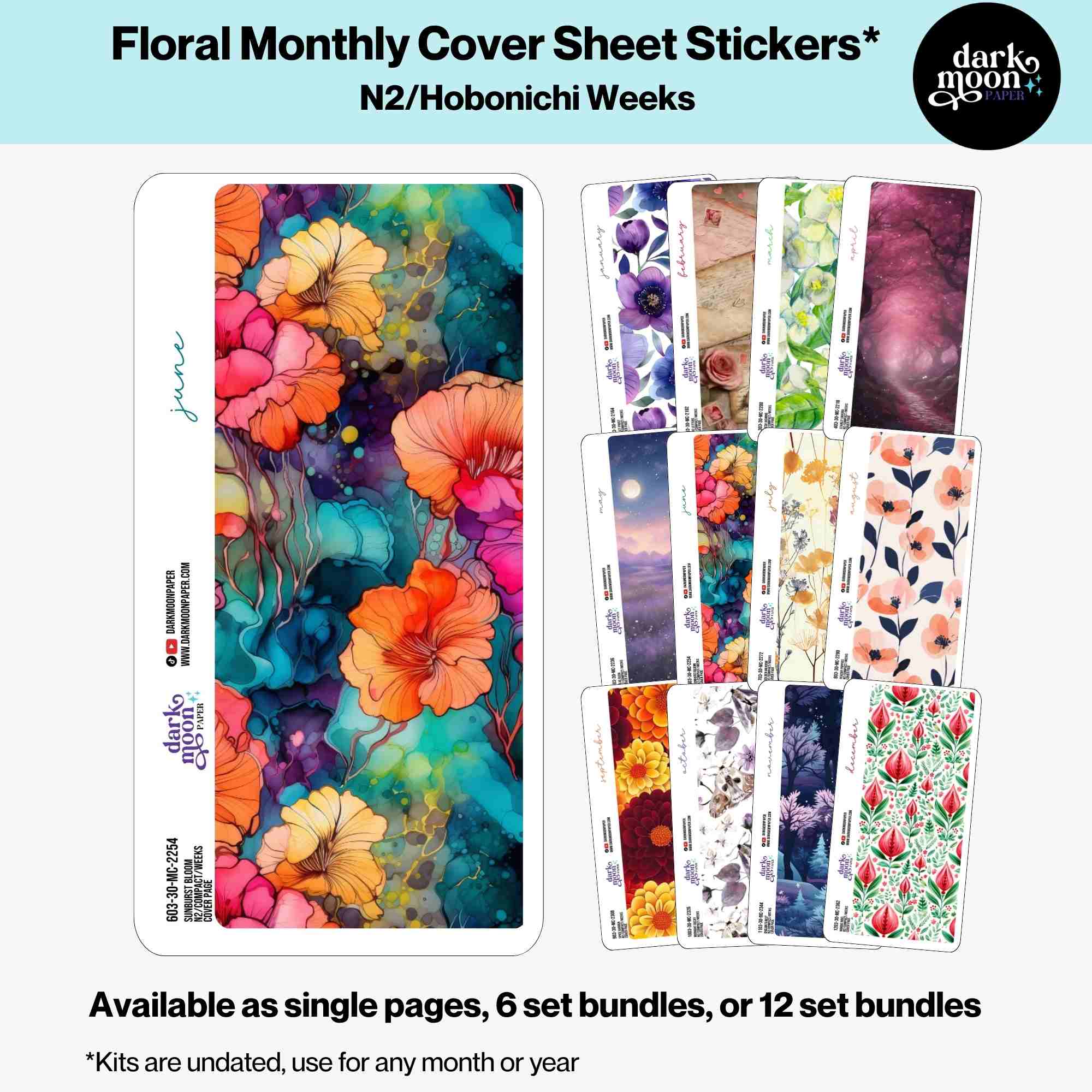
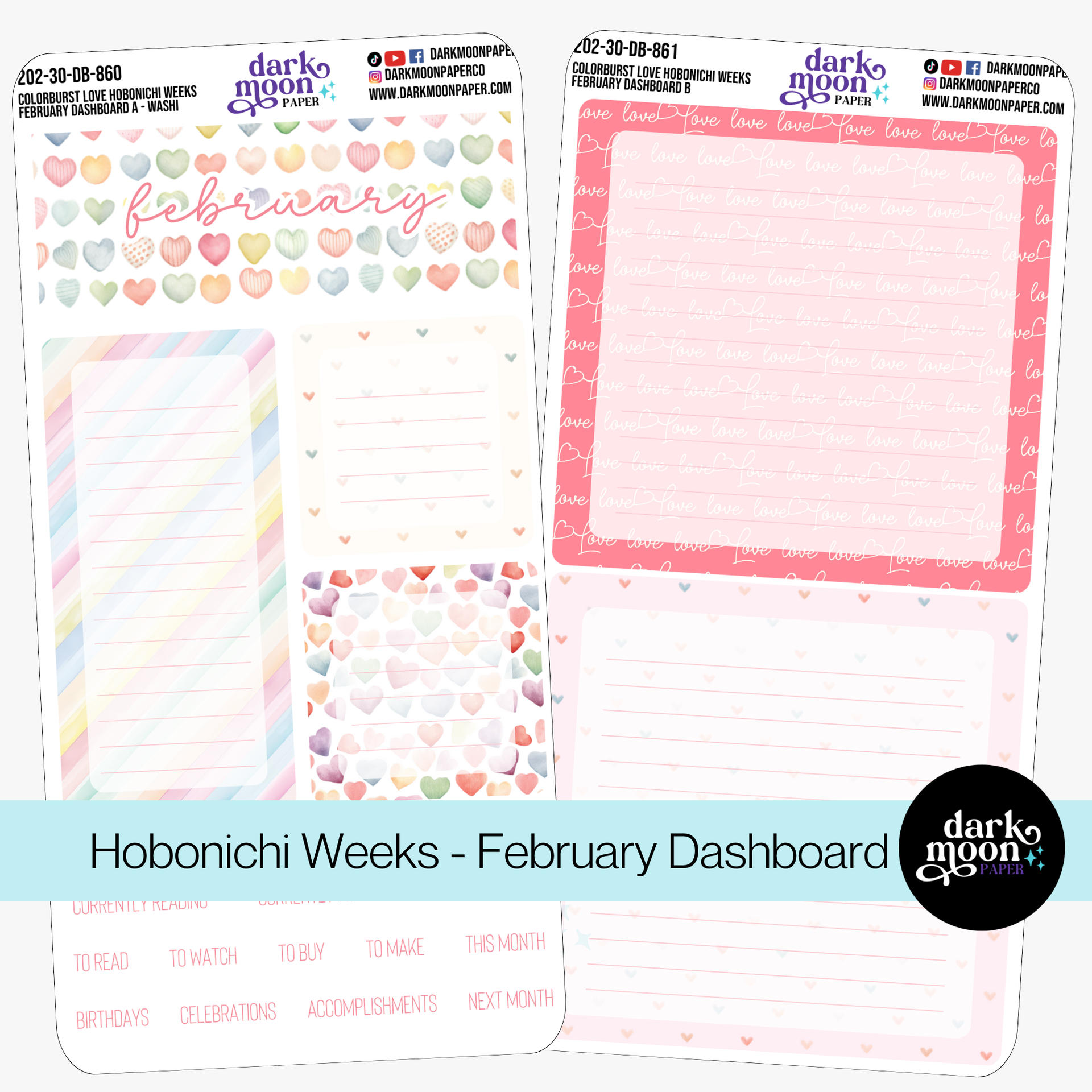
Dashboards aren’t just for goals or monthly themes—they can be a perfect, visually distinct home for your mood tracking. Use a dashboard sticker (like our Starlit Sakura or Colorburst Love pages), and add a mini 5×7 tracker grid in a blank notes space. You get all the color and structure, while keeping your weekly layout untouched.
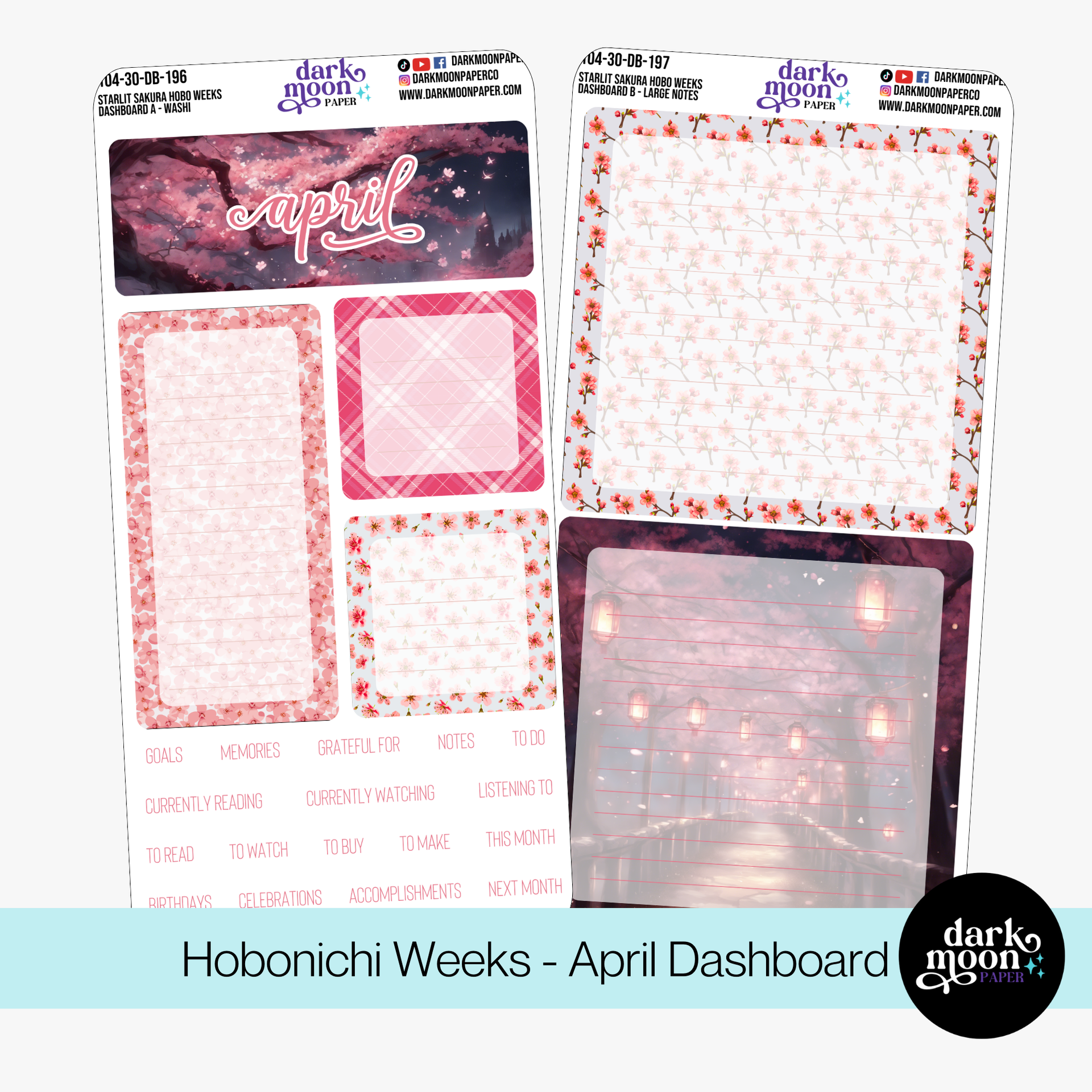
No two planners have the same rhythm. Some of us journal daily, some only weekly. The key is letting your mood tracker adapt to you, not the other way around. We’ve found combining tiny trackers with coordinated stickers and printables is the easiest way for anyone (pro or beginner) to stay consistent.
Minimal mood trackers are all about turning small spaces into meaningful rituals. A single color block per day, a corner grid, or a subtle dashboard sticker lets you check in with yourself—no page sacrifice, no clutter. We’re huge believers in letting self-care fit your real daily life, not fighting your style or your schedule.
If you want printable mood trackers or coordinated sticker kits, our shop and Freebies Library always have new, free and paid resources for Hobonichi Weeks. You can sign up anytime to receive new templates and creative tools by email, or just browse the download section and see what sparks your next spread. Happy planning, and don’t forget to enjoy the process!