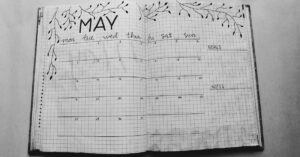
If you love the Hobonichi but often stare at blank pages thinking you don’t have time to make your planner look and feel inspiring, you are not alone! At Dark Moon Paper, we know juggling daily life, setting creative goals, and squeezing in a bit of self-care through planning can sometimes feel like too much. That’s why we believe in spread ideas that genuinely fit real lives—something you can set up in ten minutes or less, repeat week to week, and always come away with a page you want to interact with.
Why Fast, Repeatable Hobonichi Spreads Are a Game Changer
Most of us have been there: setting up an elaborate weekly, only to burn out and abandon it in week two. But when spreads are streamlined, flexible, and visually appealing—even with just a few stickers, a highlighter, and ten minutes—they’re easier to keep up with. Life’s shifting demands mean your planner should adapt and support you, never overwhelm you. We’ve tested these templates on busy weeknights, sleepy mornings, and even while waiting for the kettle to boil. Here are our favorite Hobonichi spread ideas that you can copy in less time than it takes to finish your coffee.
Template 1: Minimalist Tracker Spread (4 Minutes)
Minute 1: Use the Hobonichi grid’s guide dots to create three horizontal lines on the left page—each section becomes a space for a different type of day (personal, work, wellness, etc.).
Minute 2: On the right page, draw a clean vertical line down the center. If you’re someone who loves sharp lines, a ruler and a quick swipe of a Zebra Sarasa can make this pop.
Minutes 3-4: Label sections using a highlighter for headers like “Work Hours” or “Daily Tracker.” Add 4–6 habit boxes and pop on a functional sticker—placing a pretty header from the Starlit Sakura kit makes an instant impact.
This spread lets you track habits for a full week or split sections for duo schedules (like life and work).
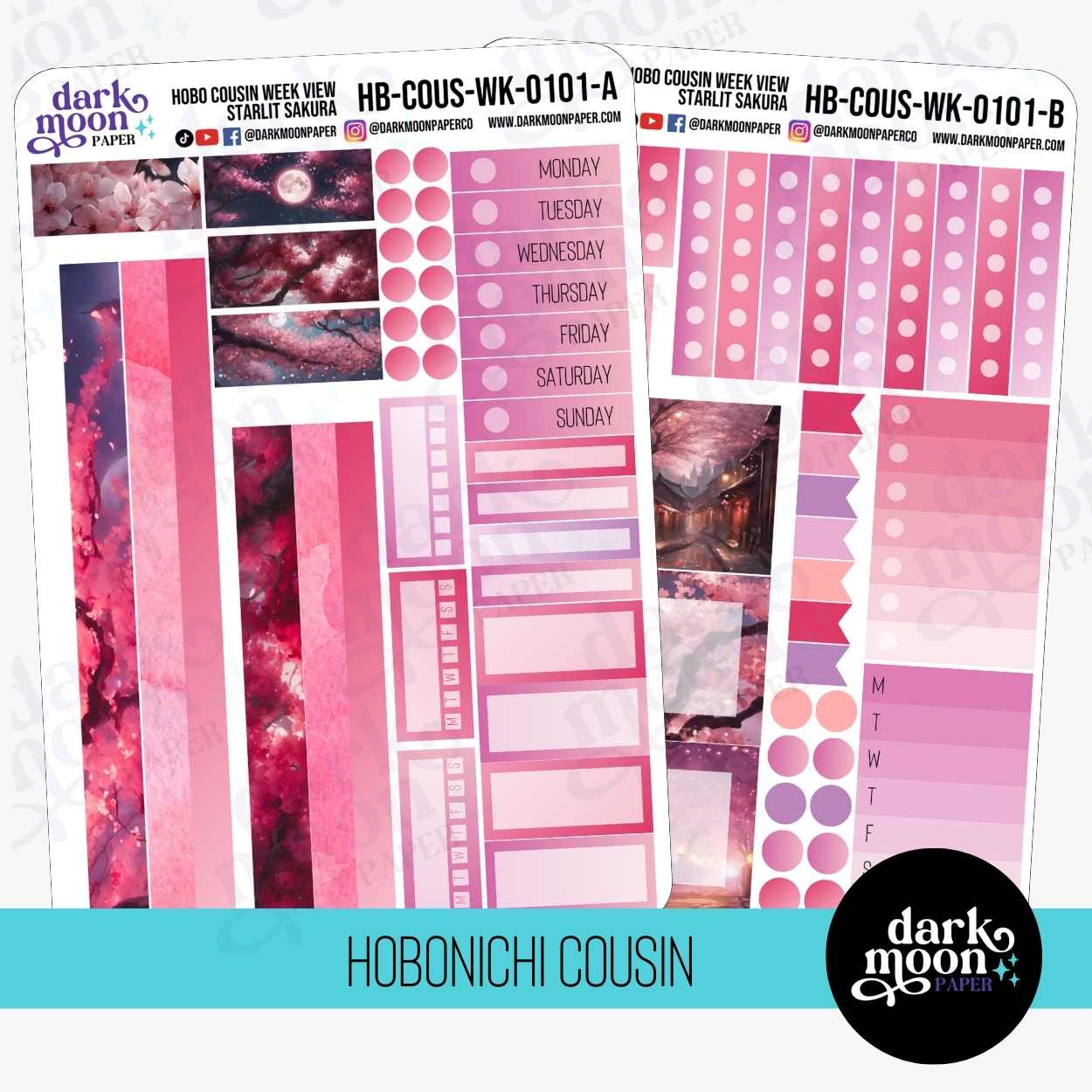
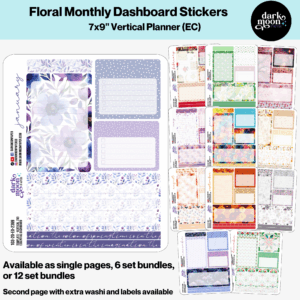
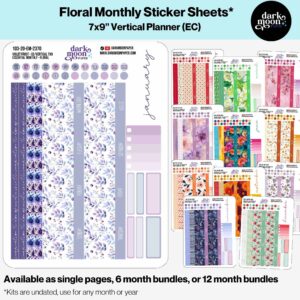
Starlit Sakura Hobonichi Cousin Layout Kit
Template 2: Sidebar To-Do Focus (3 Minutes)
Minute 1: Quickly jot your five most pressing to-dos in the sidebar of your left page. Fine-tip pens keep it crisp, and prioritizing in this narrow space streamlines your focus.
Minute 2: On the right, lay out horizontal lines for a daily overview—labels like “Today” and “Next” work great here.
Minute 3: Add in a small strip of torn washi or a banner sticker at the bottom. Include a couple of personal goals, and you’re done!
Minutes 1–2: On your right page, use the grid to split the middle column into two vertical boxes: one for AM/PM or two major projects.
Minute 3: Add headers like “Schedule” and “Progress.” Darken the vertical boundary lines for easy visual splits.
Minutes 4–5: Decorate the left page with mini trackers, then place two or three decorative stickers for a burst of energy.
This layout lets you run parallel plans (work and home, you and your partner, study and hobby) without crowding your page.
Template 4: Goals and Notes Quickie (2 Minutes)
Minute 1: Add a “Goals” header in the bottom right and quickly list your top three weekly targets. Top left, mark a “Notes” section.
Minute 2: Stick a small encouraging label sticker in your goals area and underline the notes section with a colored pen or highlighter.
This fast add-on pairs with any weekly, boosting intention and inviting quick end-of-week reflection.
Template 5: Monthly Mini-Overview (6 Minutes)
Great for Cousin and Weeks monthly pages, this template keeps you glancing forward without overwhelming your calendar.
Minutes 1–2: Dedicate the bottom row of your page to a small calendar overview or four must-remember weekly events.
Minutes 3–4: In the sidebar, add headers like “IG/YouTube Ideas” or “Kit Notes” if you’re tracking creative projects. Use pastel pens for visual clarity.
Minutes 5–6: Place two or three stickers for accent, leaving plenty of white space for flexibility through the month.
Minutes 1–3: Start at the top of the right page with a horizontal tracker for work hours, then list out habit tracker boxes just below.
Minutes 4–5: Use the left page for daily breakdowns or a “Littles” section—think project sub-tasks, health logs, or gratitude.
Minutes 6–7: Brighten with highlighter headers and one or two small, functional task stickers.
This option lands you a clear visual on responsibilities and wellness, week after week. For more small-format habit styles, take a look at creative tiny habit trackers for Hobonichi.
Template 7: Sticker-Forward Decor (8 Minutes)
Minutes 1–3: Draw simple daily and tracker lines (like in Template 1) to scaffold your week.
Minutes 4–6: Place five or more stickers: use headers, icons, and decoration from kits like Starlit Sakura to transform your page in seconds.
Minutes 7–8: Write a few pen labels or to-do bubbles around your stickers, and lay down a slim washi banner for the finishing touch.
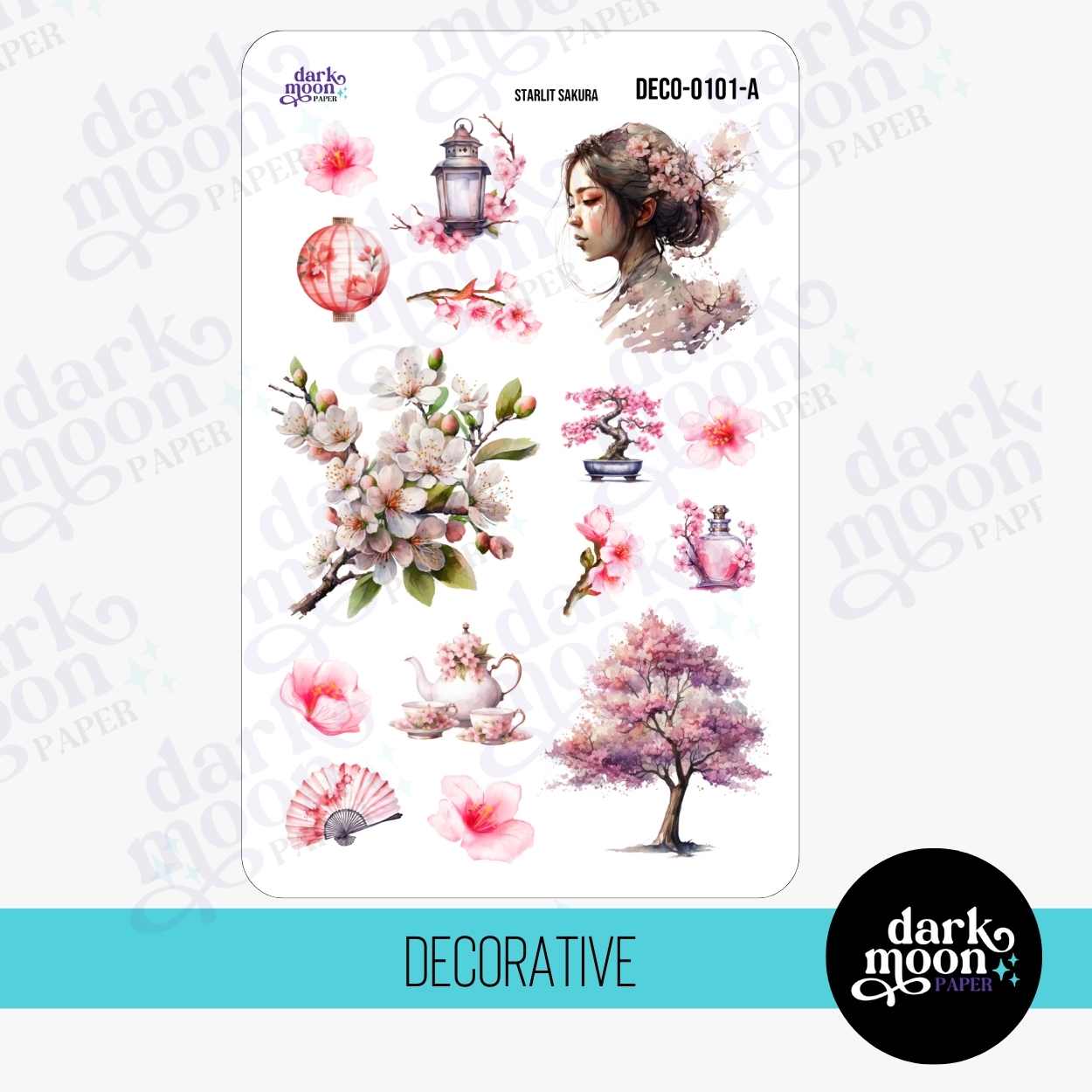
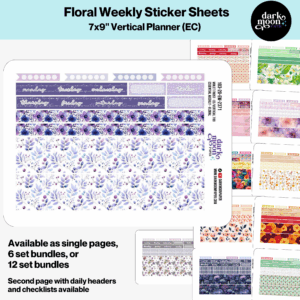
Starlit Sakura Decorative Sheet
This approach is ideal if you love a touch of art but want your spread prepped in under ten minutes (works beautifully with any seasonal kit!).
How We Speed Up Planning: Practical Tips from Our Studio
Leverage Hobonichi guide dots. Drawing lines and grids is easier when you use what’s already on the page—skip measuring and let the dots guide you.
Prep your favorite stickers in advance. We peel and set aside headers and icons before we start so we can just ‘grab and place’ as we go. Matte stickers work especially well here, and Hobonichi’s paper loves them—no worrying about bleed-through.
Mix up your pens. We use Zebra Sarasas for structure, highlighters for fast headers, and sometimes a favorite fountain pen for reflective notes (if you’re curious about pen recommendations, here’s our shortlist of the best pens for Hobonichi paper).
Dive deeper with daily inspiration. If you want more quick setup ideas, follow Kat’s daily videos and prompts over at YouTube and TikTok. You’ll find real-time journaling, planner layouts, pen reviews, and plenty of community support.
Practice your headers for a neater look. We share lots of printable handwriting worksheets in the Freebies Library—try Meow Medium or Lemon Tuesday for crisp, elevated section titles without fussy hand lettering.
Find a rhythm. Rinse and repeat. The more you use the same template the easier (and quicker) it gets. Tweak as you go to match your changing week.
Personalize and Make It Yours: Our Encouragement
One of our favorite things about the Hobonichi is watching planner folks turn these basic templates into something they love returning to. Swap a sticker here, play with color there, leave white space one week and fill a corner with doodles the next. Many of our customers use the same layouts month to month—with just subtle seasonal swaps—and tell us it truly keeps them engaged and organized.
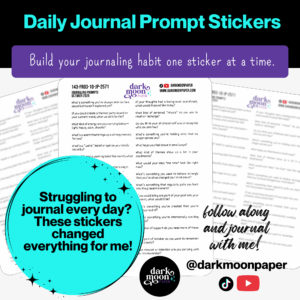
And if you ever feel stuck or short on creative energy, our Freebies Library is stocked with fresh journaling prompts, practice pages, and even downloadable stickers to give your spread a boost without spending an extra second planning from scratch. (Reviewers like Mary and Mercy find these downloads the perfect nudge into daily journaling, especially in Hobonichi!)
Ready to Take the 10-Minute Spread Challenge?
Try one of these templates for your next week (or even tomorrow’s page) and celebrate having a finished layout in the time it takes to finish your tea. If you love seeing ideas in action, don’t forget you can watch daily spread videos and tips with Kat on YouTube and TikTok, or explore our past post on using a Hobonichi Weeks without overthinking your pages for even more setup guidance.
All the printable resources, sticker kits, and journaling inspiration you need are waiting for you at Dark Moon Paper. Here’s to planning what matters—in just ten minutes a week.
Our custom stickers are a fuss-free way to brighten up your planner pages with perfectly-sized designs that add a spark of personality to every layout.
Planner stickers make organizing easy, fun, and personal! Add color, creativity, and structure to every page, transforming your planner into a tool that reflects you. Perfect for tracking, decorating, and staying inspired daily!
I’m Kat, the artist behind Dark Moon Paper. I started this studio to blend my love of art, handwriting, and the small rituals that make everyday life feel magical. My sticker kits and creative resources are made to set the mood, spark ideas, and give you a little escape from the ordinary.
I create from a cozy studio in the Oregon woods, surrounded by nature and a clear view of the stars.