If you’ve ever stood at the crossroads of planner inspiration, trying to choose between the compact Hobonichi Weeks and the spacious A5 Hobonichi Cousin, you’re not alone. As planner enthusiasts who design for both formats, we at Dark Moon Paper see creative minds debating which notebook truly serves their vision best. Let’s explore the similarities and differences between Hobonichi Weeks spread ideas and Cousin spreads, and share practical thoughts that go beyond the basics—straight from our hands-on experience.
Physical size sets the stage for how you plan. The Weeks is slender and portable, truly purse or pocket friendly, while the Cousin is a generous A5—think plenty of space to sprawl with ideas, trackers, and creative layouts. This size difference guides almost every decision: sticker scale, the density of your writing, even what pens you reach for (hello, brush lettering room in the Cousin!).
If you are the type to test every highlighter and create color-coded keys, the Cousin gives you freedom. But in the Weeks, smart micro-layouts rule. See some practical Weeks layout ideas here.
Want to layer washi tape, timebox big projects, or doodle in the margins? The Cousin shines. In the Weeks, we always recommend sticker kits with petite icons and slim headers for this reason. (For ideas, see our Weeks setup guide.)
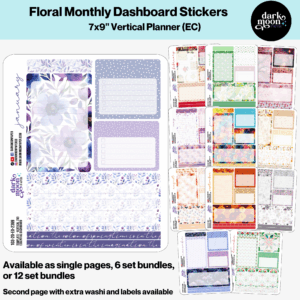
The monthly grid is iconic in both planners, but the Cousin’s boxes give you space to actually write events, layer stickers, or decorate seasonally. In the Weeks, there’s a trade-off—smaller boxes, but quick-glance usability.
If you love mood or habit trackers that don’t take over your page, these ideas can work in the compact Weeks: Mood Tracker Ideas for Hobonichi Weeks.
The creative potential here is massive. Many of us love to mix sticker headers, watercolor, and even collage on these daily pages.
For some, not having a page-per-day is a feature, not a drawback. It’s less pressure, allows for missed days, and means no space goes to waste.
In our experience, Cousin users often dedicate these sections to mood boards, vision mapping, or detailed goal trackers—something harder to do in the Weeks.
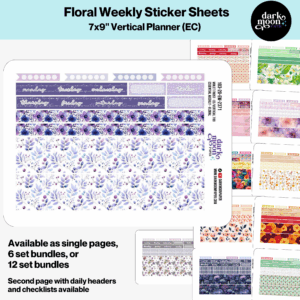
As designers, one of the biggest challenges is scale and detail. For Hobonichi Weeks, stickers must be slender, text crisp, and functional without crowding. For Cousin spreads, the possibilities expand: you can layer functional trackers, decorative washi, and large statement pieces, even on a single page.
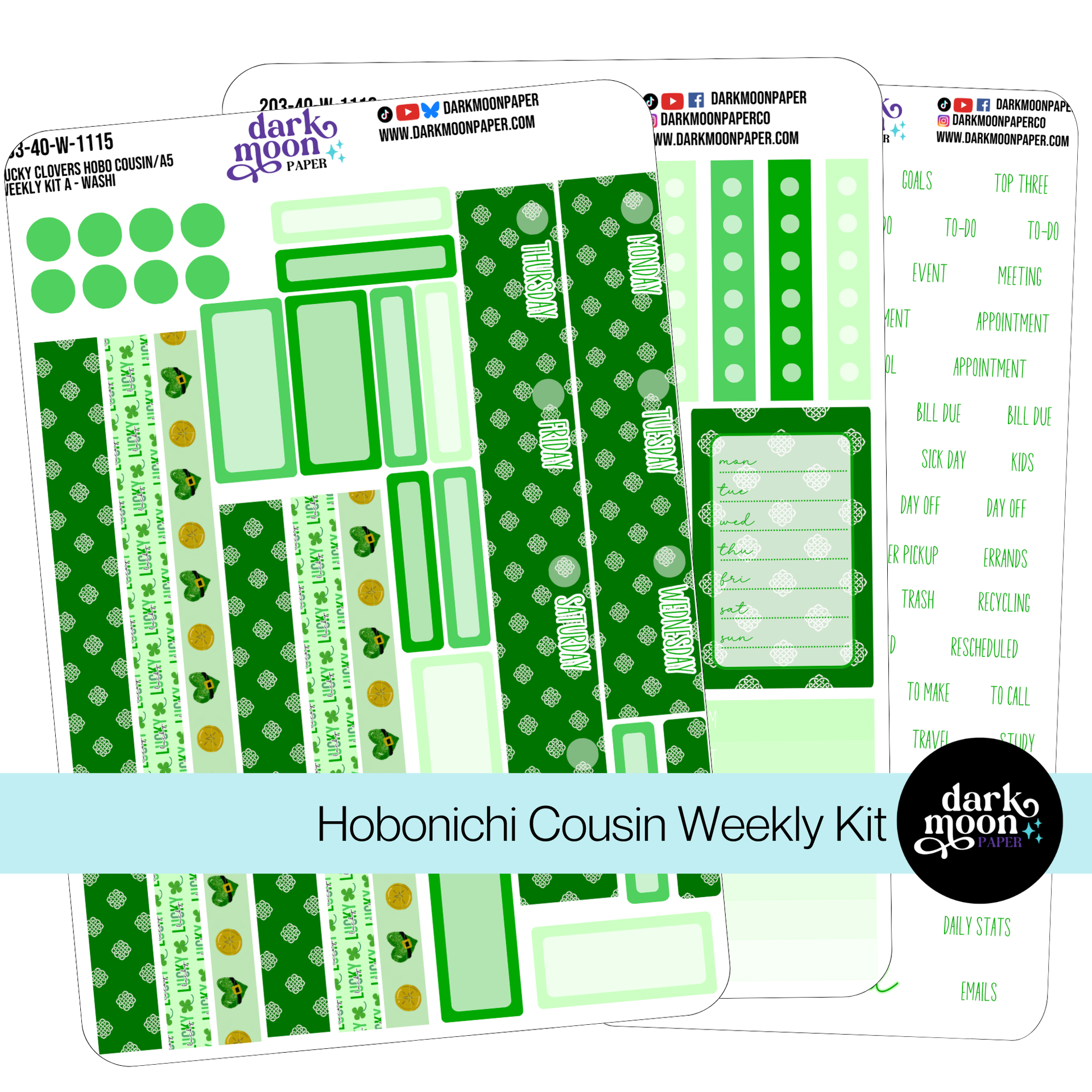
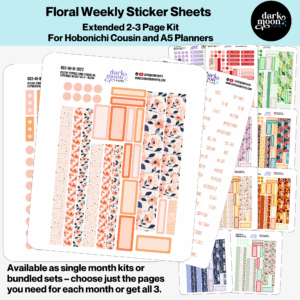
Above is an example of a weekly kit designed for the A5 Cousin. It includes:
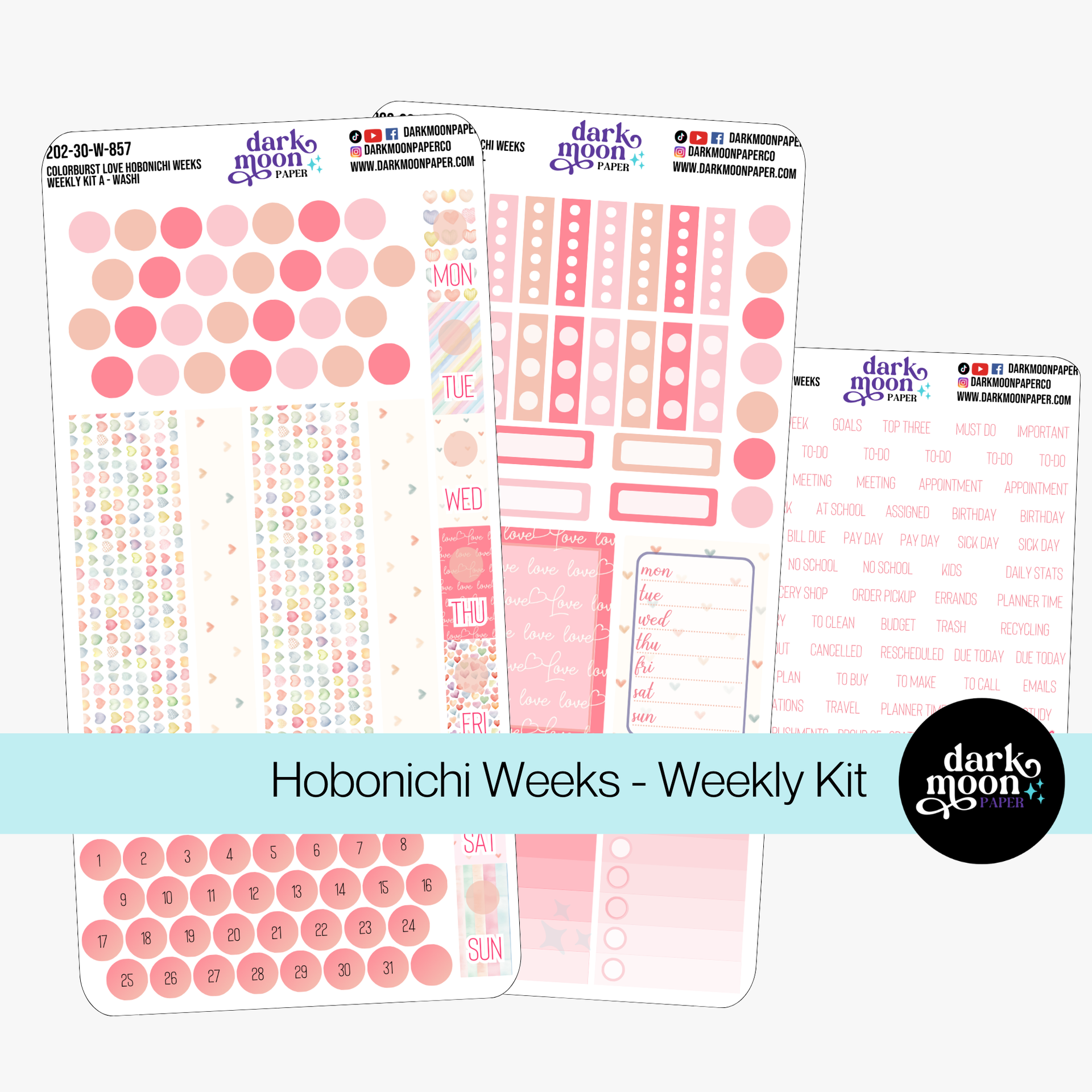
Kits like these transform your week—from functional planning to artful memory-keeping—without sacrificing clarity or space.
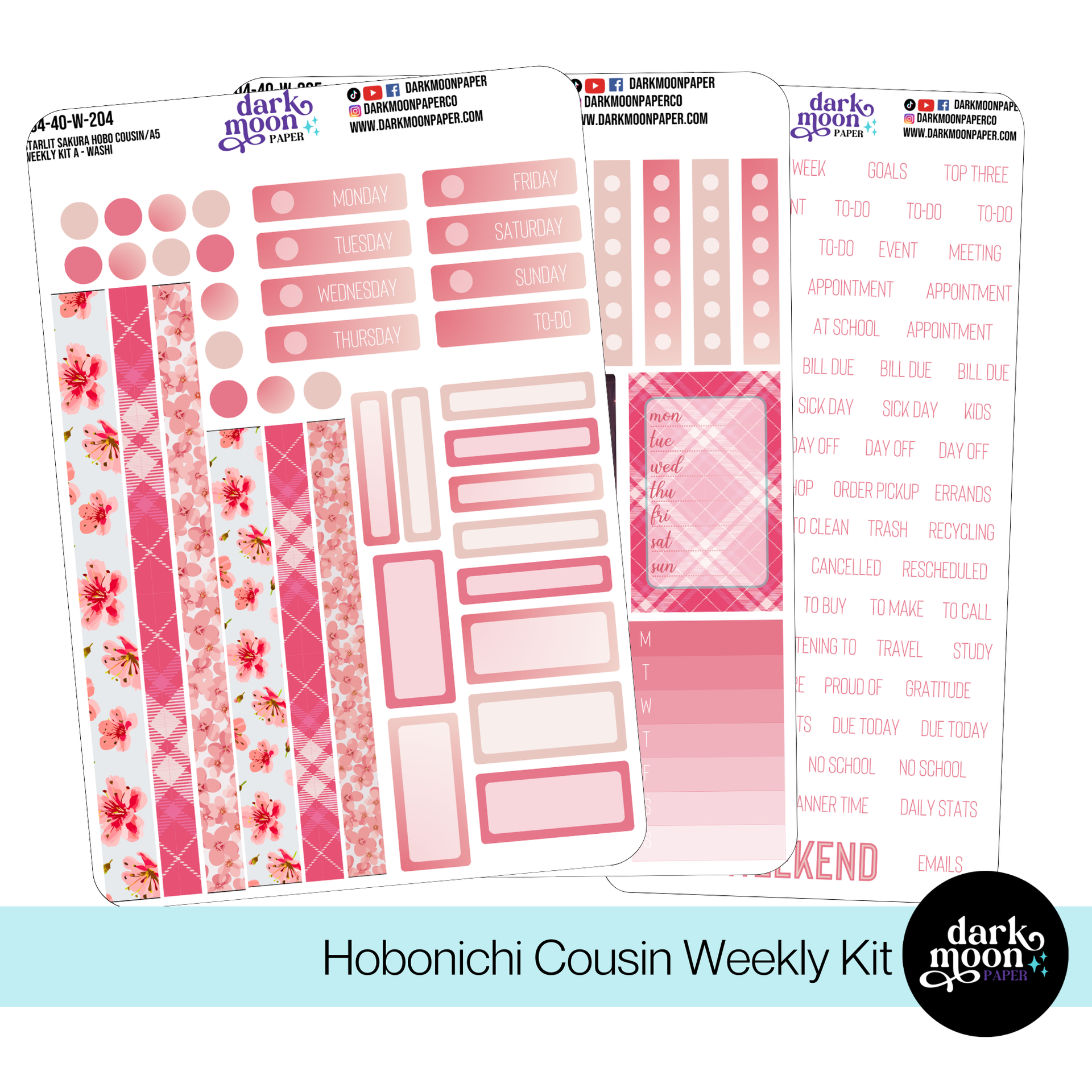
We design all our Dark Moon Paper sticker kits with scale and usability in mind—no waste, no overcrowding, and color stories that harmonize with both minimalist and maximalist layouts. Want tips for blending function and beauty? Read Creative Ways to Use Planner Stickers for Goal Setting.
We know many in our community use both planners together: Cousin for desk-based, deep, creative planning, and Weeks as your on-the-go scheduler. This mix is especially powerful if you want structure at home but simplicity out in the world.
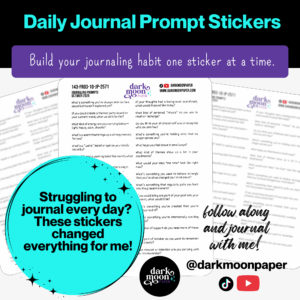
Every year, we’re inspired by planner lovers who find tiny hacks for maximal use: habit trackers squeezed into the Weeks’ sidebar, washi-collaged gratitude logs in the Cousin, monthly challenges that flow across both planners. Kat, our founder, often shares daily journaling prompts and spread inspiration on TikTok and YouTube—if you crave fresh creative ideas, be sure to check those out.
Don’t miss our Freebies Library. We offer free printable planner pages (including for Hobonichi), journaling prompts, and handwriting worksheet downloads available to all subscribers. Perfect if you want to experiment with a new spread before committing in your main planner.
Hobonichi Weeks spreads and Hobonichi Cousin spreads will both stretch your creativity—but the best one for you hinges on your needs: Are you drawn to wide-open, decorative journaling with space for layers? Or do you crave tidy, portable functionality you can carry anywhere?
No matter which path you pick, we’re here to provide format-specific sticker kits, free resources, and a supportive planner community. Make your spreads uniquely yours—and happy planning!
For inspiration, sticker kits tailored to each format, and new printables every month, visit Dark Moon Paper. Join us and turn every page into a reflection of your creativity and style.